Search products and narrow the operating condition quickly
Enter a medium, valve type, application, or fault keyword. The product library will match relevant items and help users find a suitable equipment package.
Masoneilan 33000 Series Triple Offset Butterfly Valves
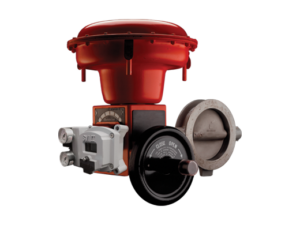
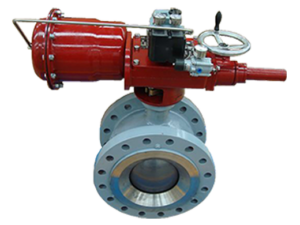
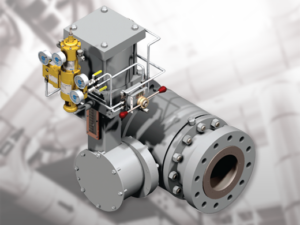
Baker Hughes Masoneilan 33000 triple offset butterfly valves adopt proprietary designs with metal-to-metal seats to realize bidirectional bubble-tight shutoff across broad temperature and pressure ranges, suitable for both on-off isolation and high-throttling modulating control with low friction.
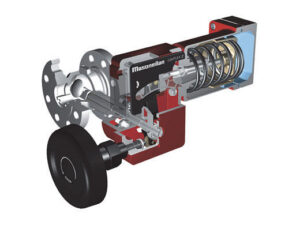
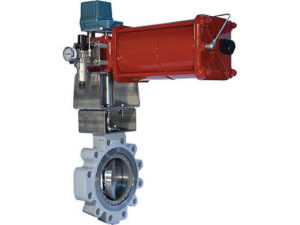
The 37002 Series MiniTork® II is a heavy-duty automatic throttling butterfly control valve featuring a unique concave disc that delivers low dynamic torque and stable bidirectional flow, alongside deflection-free transmission, triple shaft bearings and direct-mounted positioners for precise modulating performance.
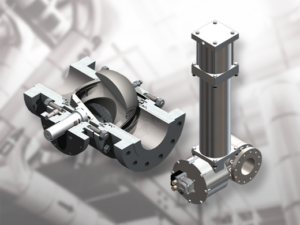
This lineup of high-flow V-ball control valves supports automatic throttling, with customizable tight shutoff alternatives, easier upkeep and superior running stability.
First launched in 1968, the original Camflex invented the rotary globe control valve by combining precise throttling merits of standard globe valves with rotary operation, covering over 80% of industrial control valve replacement demands back then.
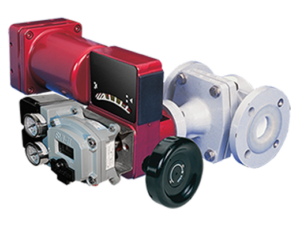
The PFA-lined Series 31000 eccentric plug rotary control valve excels in precise throttling, corrosion resistance and low fugitive emissions, featuring compact lightweight build, robust lining anchoring and proven rolling diaphragm actuators for reliable service on corrosive media.
Natural gas facilities pursue higher throughput and efficiency, yet many regulator stations outperform standard control valves. CoordWorx T-ball control valves optimize system performance for high-flow gas pressure regulation.
Supplied by Baker Hughes, Becker T-Ball anti-surge valves offer accurate surge protection and regulation for vital oil & gas compressor units. Its exclusive rotary non-clog T-ball construction supports quick, gentle actuation, which prevents destructive pressure fluctuations, lowers maintenance frequency and improves efficiency without downgrading performance.




 Rotary Control Valves / Masoneilan